This piece contains spoilers for Billions. The characters are fictional; this is a reading of the plot and the organisational dynamics it portrays, not a judgement on real people or companies.
- When ownership changes, the team reads symbols first: what the new owner changes, what they keep, how they speak about the previous leader.
- The departure of a founder is experienced as a loss, even if people did not like them. Without acknowledging that loss, a new culture takes root poorly.
- Loyalty does not transfer with the shares. It has to be earned again.
- A gap between stated values and real decisions destroys trust faster than any layoffs.
The story in brief
At the end of season five of Billions, Axe Capital's founder Bobby Axelrod faces arrest and leaves for Switzerland. His fund is bought by billionaire Mike Prince for around two billion dollars and renamed Michael Prince Capital.
Prince presents himself as Axe's opposite: an "ethical billionaire" who wins the right way and wants to leave something good behind. Season six shows this new image colliding with people who spent years living by the old owner's rules.
The first months: the team watches the symbols
One of Prince's first moves is to change the art on the walls. The dark paintings that hung under Axe give way to inspirational images, and basketball coach John Wooden's Pyramid of Success appears in the break room. For viewers it is a set detail. For the team it is a message: the old era is over, different rules apply here now.
Real companies work the same way. People watch closely what a new owner changes first: the office, rituals, meetings, the people around them. Symbols are read faster than strategy and land harder than any values memo. If the new owner removes everything associated with the previous leader in the first weeks, people hear "your past is worth nothing here". If nothing changes, they hear "nothing will change".
Losing the old leader
Even a harsh and difficult founder gives people a frame of reference. They know what to expect, how to please, what to fear. When that person leaves, there is a gap, and it fills with anxiety, resentment, confusion, sometimes relief and guilt about the relief.
William Bridges, who studied organisational change, distinguished between change and transition. Change is the external event: a new structure, a new owner. Transition is the internal process people go through, and it begins with an ending: the old has to be let go first. Between the old and the new lies a "neutral zone", a period when the old rules no longer work and the new ones do not yet feel like one's own.
Companies that skip this stage usually meet quiet resistance. People accept the new order on the surface while staying loyal to the old one inside. In the series, Prince gives Axe Capital almost no time for this transition; the new culture is announced on day one.
Loyalty does not transfer by contract
Some of Axe's people leave under the new owner; others stay, but in different ways. Some quickly adapt to the new boss. Some stay for the money and stability and wait. Others keep an inner loyalty to the old leader and, as the finale shows, go back to him at the first chance.
For a new owner this is an uncomfortable but important truth. Buying a company gives you rights to its assets, not to people's trust. Trust appears when the new leader understands what was valuable in the old culture, acknowledges the people who built it, and explains what is changing and why.
Values on the wall and real decisions
Prince talks about winning honestly, yet the series soon shows him willing to play dirty when it suits him. For a team, that gap is more dangerous than Axe's open ruthlessness. Under Axe the rules were unpleasant but clear. Under Prince people see words and actions diverge, and stop believing either.
This is a common trap when a company changes owner or CEO. New values are announced at town halls and printed on walls. Then the first hard decision is made by the old rules, and employees draw their own conclusions about how things really work. One such decision outweighs a dozen presentations.
What a new owner can do
- Start by getting to know the place. Understand what the old culture rested on and what people valued in it.
- Acknowledge the loss. Speak about the previous leader and their contribution with respect, even if much will change.
- Explain what changes and why. People accept change more easily when they understand its logic and can see what stays.
- Watch the first hard decisions. They are how the team will judge whether the stated values are real.
- Allow time for the transition. Uncertainty in the first months is normal; it can be held together with the team rather than rushed.
What HR and the team can do
- create a space where people can voice anxiety and doubt without risk to their careers;
- notice quiet resistance and not mistake it for sabotage; it is often an unfinished goodbye to the old;
- help key people make a conscious choice about staying rather than drifting.
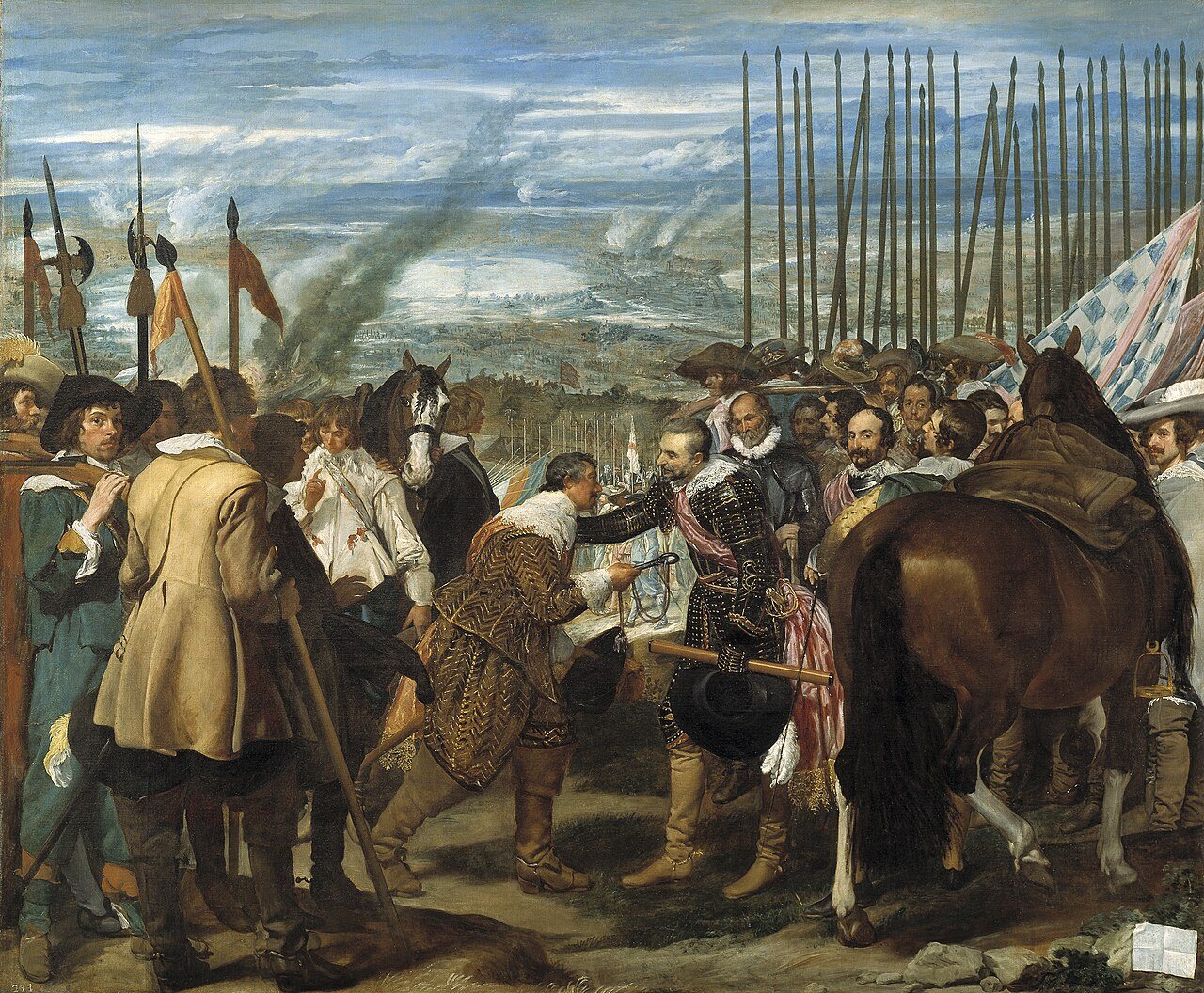
In Velázquez's painting the victor greets the defeated as an equal. It is a good image for any handover of power. A new culture takes hold when people do not feel that their past has been taken from them.
Frequently asked questions
What happens to a team when a company changes owner?
Teams usually go through a period of uncertainty: worry about the future, loss of familiar rules, testing the new owner. People read symbols and early decisions closely. Some leave, some stay and wait quietly, some adapt quickly.
How should a new owner approach the existing team?
Start by learning the culture, acknowledge the previous leader and the team's contribution, explain the logic of changes, and make sure the first hard decisions match the stated values.
Why do employees resist a new company culture?
Because the old culture gave them stability and clear rules. Until that loss is acknowledged and worked through, people agree with the new order on the surface while staying loyal to the old one inside.
What is the Bridges transition model?
William Bridges distinguished change (an external event) from transition (the internal process people go through). Transition has three stages: an ending, a neutral zone of uncertainty, and a new beginning.
How can an external consultant help during a change of ownership?
By helping the new owner and leaders see what is happening beneath the surface, preparing and facilitating conversations with key people, supporting the team through the transition and spotting quiet resistance early.